Qigong masters make many claims about what the practice is and where its value lies, but with all the conflicting information it is hard to know exactly what the point of the art is. In this article you will learn what Qigong is and what the utility of each genre offers to practitioners.
1:Introduction: Qigong is not one system
Qigong has many styles including Eight Silk Brocades, Five Animal Performances, Zhineng Gong, and much more and it seems like each style makes its own claims and has its own unique theory, but what exactly does all this diversity mean? Are the differences between styles just superfluous or is there something more there?
1a:genre is more important than style
The idea of a style of Qigong is downstream from a genre since it is the genre that defines the style.
A genre is defined by the Oxford Dictionary as “a category of artistic composition, as in music or literature, characterized by similarities in form, style, or subject matter,” as such Qigong genre is best understood as a category of expression of certain principles and practices expressed within the unique parameters of Qigong study.
Qigong has 7 main genres:
- Daoist Qigong: practices used to cultivate inner energy or create spiritual experiences, mainly through static breathwork, limited movement and internal meditative focus and visualization, mantra and mudra.
- Medical Qigong: therapeutic methods involving movement, breath work and focus used according to Chinese Medicine and Biomedical principles to treat illness and maintain health.
- Buddhist Qigong: varying practices used to promote physical health or invoke spiritual traditions depending on tradition. Often similar to Daoist Qigong but arguably obtaining influence from Vajryana practices originating in India.
- Martial Qigong: methods designed to strengthen the body, recover from training tiredness and injury, and improve internal pliability, circulation, alertness, ability to sustain physical and psychological stress etc…
- Modern Health Qigong: any combination of Qigong exercises from other genres used to promote physical and psychological wellbeing. Specifically promoted by the Chinese government between 1950s-1990s.
- Modern Sport Qigong: Qigong Daoyin routines promoted by the Chinese department of Sport as health exercises and competitive sport, popular since early 2000s.
- Folk Qigong: eclectic practices passed down in folk either through family lineages or student teacher relationships, also often a mishmash of exercises from books, television, prescribed by therapists etc…
Now that we know the basics of the genres of Qigong let’s look at styles:
1b: Qigong styles cross genre boundaries
Making a basic interrogation of popular Qigong styles we can see that many comfortably exist in more than one genre at a time.
Looking at a few of the most popular styles of Qigong may help us understand how this phenomenon works:
- Eight Silk Brocades: This Dao Yin style is used by the Chinese department of sport as one of its basic Qigong programs and has also been extensively used in Chinese Medicine Qigong as well as being adopted to Yang Style Taijiquan as a basic Neigong stretching programs. Its utility is stretching and opening the body while lightly influencing the Meridians, Channels, blood and Qi flow and it can be used for purposes of prevention, stretching, rehabilitation etc…
- Yi Jin Jing: The Sinew Changing Classic has been used variously in Chinese Martial Arts and modern Sports Qigong as a body opening and deep stretching programs although its roots are in Daoist and Buddhist energy cultivation techniques.
- Zhineng Gong: Zhineng Gong is a modern system which combines elements of preventative medical Qigong with energetic and spiritual elements in an attempt to promote a Qigong oriented holistic lifestyle practice.
We can see that although Qigong may be associated with a particular genre (IE: Yi Jin and Martial Arts) its application can cross genres and still maintain utility.
This is because of the inherent nature of Qi circulation in the human body.
Indeed our Qi does not cease circulating when we are not practicing Qigong, we simply might not notice it is we are not already sensitive.
1c: The benefits of Qigong are mostly holistic in nature
in accordance with the principle of genre crossing we can confidently state that since the benefits of Qigong apply across multiple contexts it is a holistic approach to lifestyle and body mind regulation.
In this sense we can now provide a basic answer about the value claims of individual Qigong teachers, since their claims should be viewed through the lens of multipurpose utility rather than specific individual purpose utility.
1d: Genre and style are still important considerations in evaluating the purpose of Qigong
even so, a person wishing to have a spiritual experience is better suited by spiritual or religious Qigong practices which emphasize realization of inner stillness, void and emptiness, visualization of energetic and cosmic elements, and deep nourishment of the brain and inner organs.
Pure Dao Yin practices such as the Eight Silk Brocades may be less useful in this context, but may be more useful in the context of pre-exercise stretching, rehabilitation of chronic injuries, staying limber etc…
Knowing this is how to select practices appropriate for you and your clients and it is the reason why modern Qigong systems such as Da Yan, Zhineng, Guo Lin, Taiji Shi Ba Shi and other methods incorporate a combination of Dao Yin stretching, Breath Work, Inner Meditation, Visualization and other practices in their regimens.
In this sense modern Qigong is systematic in nature while many medieval methods are focused on genre specific results.
Because of the need to create holistic systems it means that as long as you know what to look for and understand quality of methods and theory there is no big difference between most of the modern health systems with most of the differences being subtle things that only really matter to advanced practitioners.
The same is not true of modern sport systems since they are almost exclusively based on Dao Yin and have very limited utility beyond the physical aspect of practice.
2: Value, branding, and claims
Where it gets tricky is how to appraise the claims of modern Qigong masters when they discuss the merits of their systems compared to others.
The reason why we created Qigong project is to fight back against the toxicity of the Qigong community in which masters and their disciples spready misinformation in order to promote their own worldview and make more money.
Typically there are two types of value claims in Qigong:
- Benefits of practice,
- Spiritual claims,
Let’s look at them in more detail:
2a: Benefits claims
Benefits of practice are those benefits that may accrue to a person who performs Qigong exercises.
They might include reduced stress, lowered blood pressure, improved mental focus, relaxes muscles etc…
Almost all Qigong styles can objectively claim most of the basic health benefits of Qigong with the exception of extreme practices such as hard martial styles which may worsen certain chronic health conditions as a result of overuse of forceful breathing practices etc..
Generally the benefits of Qigong practice can be understood as follows:
- Dao Yin: opens the body, stretches connective tissue, relaxes muscles, improves strength and flexibility, stimulates blood flow and Qi circulation, can be used in synch with intention practice to stimulate Qi movement to specific areas, has preventative, rehabilitative, and even some minor fitness benefits.
- Breath Work: improves lung capacity, Qi and blood circulation, relieves muscle tension, improves felt sense of Qi in the core and limbs, can reduce certain types of chronic pain etc…
- Visualization: causes strong Qi sensations, can target specific places which are hard to get at with conventional Dao Yin and Breath Work, can cause spiritual experiences in certain contexts, may connect inner body to outer environment etc…
While there are other benefits and other types of practice this is a good basic list to give an idea of what realistic claims about Qigong benefits look like.
Some Qigong masters claim to be able to shrink tumors, cure terminal diseases and perform miracles. These claims are almost always fraudulent and make up many of the toxic elements of the Qigong community and its claims.
Many people have refused medical treatment believing that Qigong practice could save them and ended up becoming sicker or even dying. This is a really tragic outcome of greed and ego on the part of those fraudulent masters and is a value claim which can be rejected without a second thought.
2b: Spiritual claims
Spiritual claims in Qigong fall into several categories, but basically they are:
- psychological,
- religious,
- new age and occult,
Psychological claims about Qigong typically involve the claim that Qigong can be used to create a sense of mental peace and balance and are usually perfectly legitimate claims of the actual utility of Qigong practice.
Religious claims typically invoke the spiritual benefits of Qigong according to a particular religion such as Daoism, Buddhism, Yi Guan Dao, Christianity etc..
Whether a practitioner believes the claims is dependent on whether they believe in the religion or not.
New age and occult claims are usually a combination of psychology and religion and are quite common in the Qigong world even having roots in ancient organizations such as the Tai Ping sect of Daoism, Heaven and Earth Society etc…
Usually these claims are other embellished health claims to the point of being ridiculous, or claims that practitioners can get special powers through practice or by following a certain leader.
Just like overstated benefits claims these can be dismissed out of hand since Qigong is not a way to get superpowers and following a guru can’t save you from the normal issues people face in their lives including becoming sick and eventually dying.
In Chinese society there are a few terms which describe the negative phenomena in Qigong society that are useful to know:
- 邪教 Xie Jiao: Crooked Teachings are religious organizations or cults in China which advocate mystical beliefs and are usually based around a cult of personality such as a charming leader who is said to have superpowers and be able to save people. Members often practice Qigong and believe they can obtain special powers through following the leader and practicing the skills he or she teachers. There are many examples of this throughout Chinese history up to modern times and all of them eventually turn out to be led by fake gurus who either want money or political control. The positive opposite to Xie Jiao is 正教 Zheng Jiao or Orthodox Teachings which are found in Daoism and Buddhism.
- 邪术 Xie Shu: Crooked Arts are spiritual practices used to trick people including creating hallucinations, making people have strong Qi sensations without building Qi in the body, putting people into hypnotic trances etc… These arts are designed to elicit a powerful psychological effect on a person to make them believe the teacher has special powers and can often cause harm. These arts are often practiced by cult leaders or just by shady business people who want to gain more credibility by swindling prospective students. These people do not respect the intelligence of others and are basically con artists and should be avoided. The positive opposite of Xie Shu is 正法 Orthodox Methods which are methods associated with particular theories and schools of thought that actually work to improve people’s lives. These could be from any major genre or style of Qigong and do not rely on using fake magic to impress students.
- 旁门 Pang Men: Side Doors are styles of practice which take people away from the main purpose of practice. There is no stable agreement about what constitutes a side door since usually it is contextually applied within Daoism to refer to arts which do not help people realize the Dao. Daoism and Chinese religious practice in general suffers from a considerable fraud problem in which for every properly trained practitioner there is at least one fake practitioner who imitates a religious official to earn a living through collecting donations and teaching crooked arts to students.
- 江湖医生 Jiang Hu Yi Sheng: Quack Doctors in China are similar to their counterparts in the West, they offer magical cures, make claims of advanced energy healing that can turn around otherwise incurable diseases, advocate for cessation of conventional medical therapies in favor of energy work or other modalities and so on. These people are often charismatic and convincing but they can cause great damage including severe illness and death, so you ought to avoid practicing with them and don’t believe them.
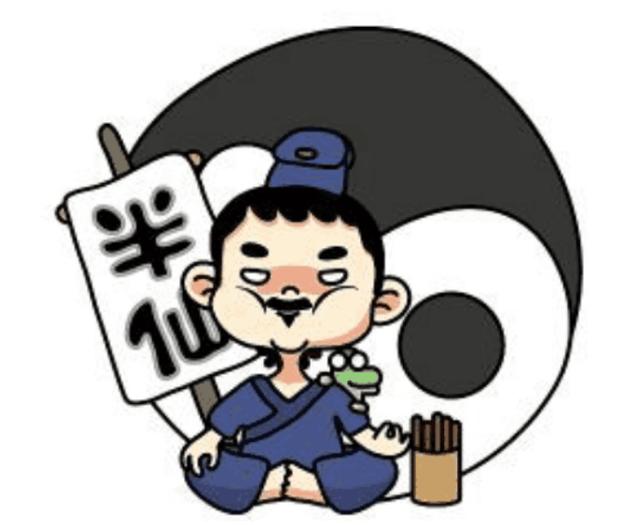
- 半仙 Ban Xian: Half Immortal is another name for a fake Daoist who practices divination arts and Qigong and Meditation while making outlandish claims about being able to channel spirits, helping people in the afterlife, being able to appear in two places at once and other silly things with no basis in reality.
Summary and Conclusion
Qigong is a great practice which has many real world benefits but the Qigong world is full of spurious claims made by unethical people just trying to make a buck from inexperienced neophytes.
Just like with Yoga, Holistic Medicine and any other field you should educate yourself about the benefits and risks as well as how to identify good and bad practitioners. This way you will stand a better chance of having a good practice that really helps you and avoiding the drawbacks of being exposed to dangerous situations.
Qigong Project was created because we got tired of seeing all the wild nonsense in the community and wanted to make a place with as much true information about as much of the Qigong world as possible to save people trouble in the future.
I hope you liked the article and I look forward to sharing mroe in the very near future.
For the time being, please consider making a small donation to the site if you like what we are doing. This helps us to afford to host the site and invest in equipment to make higher quality content in the future. Every little bit helps, thank you very much. If you don’t want to donate that’s fine, but you can also help us by sharing this article and any content on the website that resonates with you.
Until next time, thanks for reading and we hope you enjoy your practice!
Make a one-time donation
Make a monthly donation
Make a yearly donation
Choose an amount
Or enter a custom amount
Your contribution is appreciated.
Your contribution is appreciated.
Your contribution is appreciated.
DonateDonate monthlyDonate yearly
 Qigong Project