Introduction
Daoist Qigong uses four main methods:
– 导引 Dao Yin/Leading and Stretching:
the Daoist approach to Dao Yin includes Stretching, rotating the body, and self massage to open the cavities and meridians of the body. Famous historical Daoist Dao Yin masters include 陶弘景 Tao Hongjing, 孙思邈 Sun Simiao, and 紫凝道人 Zi Ning Dao Ren among others.
The purpose of Daoist Dao Yin is 长生不老 Chang Shen Bu Lao/Longevity without succumbing to old age.
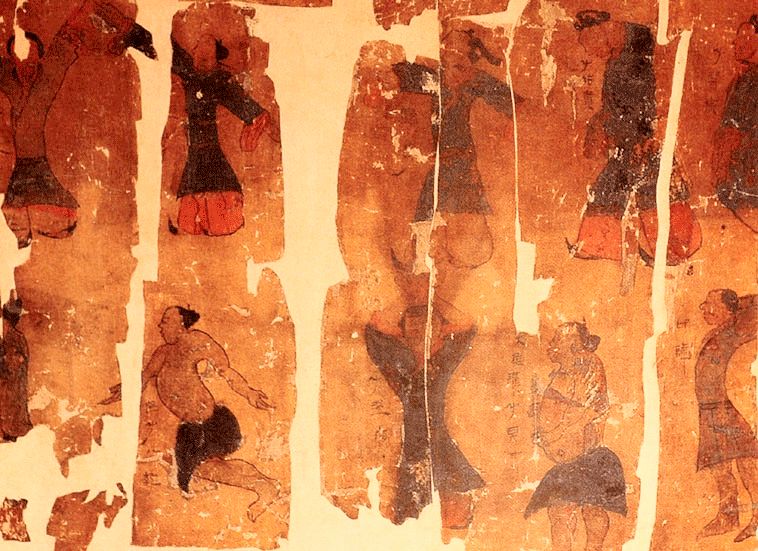
Daoist Dao Yin practitioners achieve this goal by adjusting the body through relatively more static practices with small movements designed to promote circulation of Qi and Fluids around the body.
Daoist Dao Yin methods are often combined with 吐纳 Tu Na breath work and 存想 Cun Xiang/Visualization (also called 存神 Cun Shen/Containing the Spirit) in order to achieve more powerful results than stretching and self massage alone.
Famous Dao Yin methods include 逍遥子导引诀(凡十六段)Xiao Yao Zi Dao Yin Formula (16 Sections) and 老子按摩法 Laozi Massage Method among others.
These methods often segue with 静坐 Jing Zuo/Stillness Meditation and were sometimes equated with Internal Alchemy at various times in Daoist History.
– 吐纳 Tu Na/Spitting and Grasping:
Tu Na is built on two concepts:
1 吐 Tu/Spitting:
Spitting methods involve uttering a sound while exhaling.
Common sounds include: 呼 Hu, 呵 He, 吹 Chui, 嘘 Chui, 唏 Xi, and 呬 Si which make up the 六字诀 Liu Zi Jue/Six Character Formula, a popular method promoted by Sun Simiao and Tao Hongjing to treat organ ailments and adjust Qi.
纳 Na/Grasping:
The Grasping aspect of Tu Na is based on inhalation and often involves practices such as 闭息 Bi Xi/Breath Holding.
These exercises allow breath to collect in the Lower Dantian and are often accompanied by 服气 Fu Qi/Eating Qi exercises in which saliva is collected in the mouth and swallowed to the Dantian to join the location in which the breath is held.
Tao Hongjing referred to the outcome of this process as 行气 Xing Qi/Moving the Qi since it can cause sensations of Qi movement in the torso and head.
Today Tu Na is more broadly used to describe Daoist and TCM breathing exercises which alternate between the nose and mouth.
– 存想 Cun Xiang/Visualization:
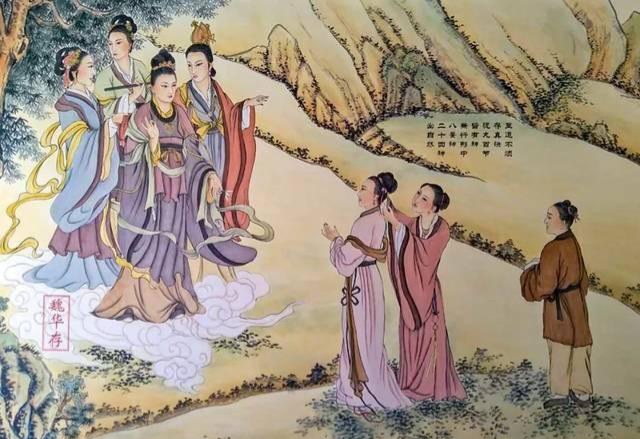
Cun Xiang can also be referred to as 存神 Cun Shen/Containing the Spirit and 存思 Cun Si/Containing the Thought. While there are differences between in interpretation all of the terms mean to hold an intention with the mind such as a visualization or mental focus.
Ancient Daoist schools such as the 上清派 Shang Qing Pai focused mainly on visualization methods, while later representatives such as 司馬承禎 Sima Chengzhen used the phrase 存神 Cun Shen to refer to maintaining a mental focus.
Daoist mental focus exercises are many and can range from visualization of natural phenomena such as the stars, sun and moon, to imagining deities within the body, or to simply placing attention on specific areas such as the Lower Dantian or brain.
This is a broad aspect of Daoist Qigong and Meditation and in the future I will explain it in detail on its own page.
– 静坐 Jing Zuo/Stillness Sitting:
Stillness Sitting is a Confucian term which broadly describes the practice of meditation.
There are many styles of Daoist Meditation including 坐忘 Zuo Wang/Sitting in Forgetting, 定观 Stable Observation, 内丹 Neidan/Internal Alchemy etc…
The main goal of Daoist Meditation is to use stillness and Non Action to return to the original state of the Dao.
While there are aspects of energetic cultivation in the practices, their methods are not as overt as Dao Yin, Visualization or Tu Na.
Conclusion:
Daoist Qigong and Meditation mainly rely on the use of relative stillness and neutrality to generate energetic states to heal body and mind.
While Martial Arts Qigong is Dynamic and active, pure Daoist methods tend to be unhurried, calming and inward looking.
Daoist Qigong is usually more concerned with Spiritual and energetic results than with radical increases in strength or dexterity, although today’s Daoist schools such as Wudang often mix martial and Daoist methods. We will look at these mixed styles in future posts on our blog.
 Qigong Project