Overview
There are six major families of Qigong, each containing various substyles, lineages and techniques for wellbeing and spirituality.
Daoist Qigong
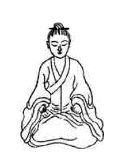
Daoist Qigong focuses on 静功 Jing Gong/ Stillness Skill in order to nourish 性 Xing/Innate Nature and 命 Ming/Life Energy. Common practices include 吐纳 Tu Na/Spitting and Grasping, 导引 Dao Yin/Leading and Stretching, 存想 Cun Xiang/Visualization and 打坐 Da Zuo/Meditation.
TCM Qigong
Chinese Medicine Qigong is used to treat illness and maintain health. Practice is focused on diagnosis of illness condition and appropriate prescription of exercises including 呼吸法 Hu Xi Fa/Breath Work, 导引 Dao Yin/Leading, 按摩 An Mo/Massage and Stretching, and 站装 Zhan Zhuang/Standing Post among other practices.
Martial Arts Qigong
Martial Arts Qigong includes 内功 Nei Gong/Inner Skill and 外功 Wai Gong/Outer Skill which make the body more flexible and strong respectively. Practices such as 易筋经 Yi Jin Jing/Changing the Tendons Classic and 洗髓经 Xi Sui Jing/Marrow Washing Classic are popular in the Martial Arts.
Buddhist Qigong
Buddhist Qigong includes 按摩 An Mo/Massage, 吐纳 Tu Na/Spitting and Grasping, 念佛 Nian Fo/Focusing on Buddha and other practices including visualization and meditation.
Folk Qigong
Folk Qigong consists of any Qigong exercises practiced by common folk. Folk Qigong is diverse and typically not based on specific lineages. Many Qigong systems are passed down by family.
Modern Qigong
Modern Qigong is a synthesis of the above schools and has many unique methods which borrow from Daoism, Buddhism, TCM, Martial and Folk practices.
 Qigong Project